
In the WordPress ecosystem, there are many people who know a lot technically and write great things about AI, Gutenberg, or tools. I am not one of them. I am a businessman.
- Growth made weak models look strong
- Ask why it worked
- Reality is already here
- Community does not replace economics
- Not everyone is your customer
- There are no special rules here
- Why we made different decisions at Greyd
- What you learn outside the bubble
- Values do not replace economics
- The reset
- What comes next
If you spend time in the ecosystem, especially on LinkedIn or at events, you will see endless discussions about tooling, AI, editors, frameworks, and features. Much of it is smart. Much of it is well intentioned. And much of it is irrelevant.
Because none of these things determine whether a company survives. Markets do.
Growth made weak models look strong
For a long time, the WordPress ecosystem benefited from conditions that made even weak business models look strong. Rapid digitalization, low barriers to entry, a global shift toward websites as a default business requirement, and later an unprecedented acceleration during COVID.
In that environment, it was enough to build something useful, release it cheaply or for free, grow an audience, and trust that a small percentage would convert. That model created real success stories. It also created a belief system.
But that belief system is now breaking.
Ask why it worked
The uncomfortable question founders need to ask themselves is not whether their product is good, or even loved, but why it worked in the first place. Was it the brilliance of the product, or was it riding a market that was expanding so fast that almost anything reasonable could grow?
When a market grows aggressively, mistakes are forgiven. Pricing inefficiencies are hidden. Weak retention does not hurt as much. Revenue looks healthier than the underlying structure actually is.
It’s when growth slows, that reality arrives.
Reality is already here
We are seeing it now. Products are shutting down. Once-hyped startups are disappearing quietly. Monetization problems surfacing years too late. Lifetime licenses turning from a growth hack into a balance sheet liability.
None of this is surprising if you look at it through an economic lens instead of a community lens.
Community does not replace economics
This is where parts of the WordPress ecosystem start to fail themselves.
The ecosystem often conflates community, product, and business into one emotional construct. People buy from people they remember. They support tools because they like the team. They confuse user numbers with viability.
Community matters. Open source matters. Neither replaces economic fundamentals.
A company does not exist to maximize users. It exists to solve problems for a defined group of customers in a way that sustains itself, financially and operationally, over time.
Not everyone is your customer
That means you need pricing that supports long-term development, sales models that work even when an industry’s growth flattens, not just when it is explosive. You also need clear positioning. And, most importantly, the willingness to accept that not everyone is your customer.
This is where many WordPress businesses hesitate. Saying no feels hostile. Charging properly feels like betrayal. Talking openly about sales and margins feels almost taboo.
But markets do not care about intentions.
There are no special rules here
There are no special economic rules for businesses operating in the WordPress ecosystem. Supply, demand, cost structures, and financial math apply just as brutally here as everywhere else.
The only time you can ignore them is when the market grows so fast that it carries you forward anyway. That phase is ending. If your business model only works under extreme market expansion, it is exposed, not resilient.
Why we made different decisions at Greyd
At Greyd, we made uncomfortable decisions early.
We priced for a specific Ideal Customer Profile, not for popularity. We accepted that many people would say we were too expensive. We focused on customers for whom the leverage of the product was significant enough to justify the investment.
Some considered that arrogance, but it wasn’t. It simply was the minimum level of responsibility.
A company’s obligation is not to have the most users. It is to provide a stable product for its customers and a stable future for its employees and partners.
That requires revenue models that scale with complexity, not against it.
What you learn outside the bubble
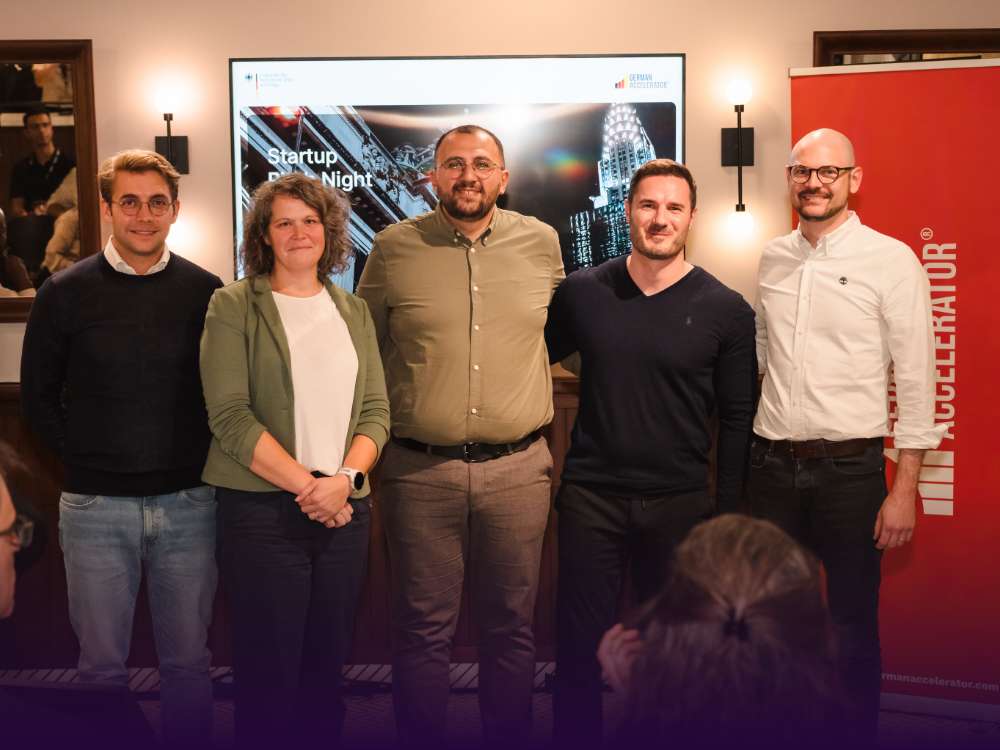
Being part of accelerator programs, especially those focused heavily on sales and go-to-market strategy, reinforced this thinking.
When you step outside the WordPress bubble and talk to people who build and scale companies across industries, the romanticism falls away quickly. What remains are fundamentals.
Strong products are not collections of features. They are systems. Technology, pricing, sales strategy, onboarding, support, and long-term customer value all work together.
If one part is misaligned, the product suffers, no matter how elegant the code is.
Values do not replace economics
This is not a call to abandon open source values. It is a rejection of the idea that values can replace economics.
If the WordPress ecosystem wants a future that includes new, innovative companies, not just the same dominant players slowly ossifying at the top, founders need to get comfortable with business conversations.
Real ones. About pricing. About sales. About who they serve, and who they do not.
The reset
Growth will no longer save weak models. Only structure will. This is the reset. It’s neither ideological nor personal. This is just the reality. And the sooner we talk about it openly, the better chance we have of building companies that last.
What comes next
This is not where the conversation ends. It is where it needs to begin.
In the coming posts, I want to go deeper into the topics that are often avoided in the WordPress ecosystem. Pricing models that actually hold up. Sales structures that work beyond founder-led hustle. Go-to-market strategies that scale without burning teams out. And why automation is not a shortcut but a necessity. Not as theory. As practice.
Learn more about Greyd.Suite!